
Servicing Outer Western Suburbs and Lower Blue Mountains in Sydney
BOOK ONLINE NOW

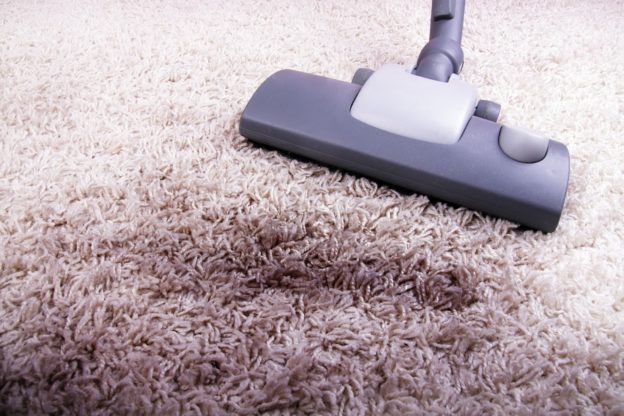
Have you noticed dark or black lines around your carpet, mostly along the edges of walls, under doors and around the bases of your furniture? If so, you’re likely wondering where on earth they came from and why vacuuming and scrubbing don’t seem to get rid of them.
Here’s all you need to know about what those dark lines are and how to keep them at bay.
The dark lines and marks you’re seeing around your carpet are called soil filtration lines, although some people refer to them as venting marks or smog lines. Filtration soiling is a common problem in Australian homes because most properties are fitted with HVAC systems (heating, ventilation and air conditioning), which are often the cause of the lines.
The reason HVAC systems cause filtration soiling is down to the science of air temperature: hot air is drawn to cool surfaces. After hot air rises, it’s drawn down to cool spots—against your exterior-facing walls, for example, or under your doors to cooler rooms in the house.
As your HVAC system circulates this air, your carpet in those areas will act as a filter, drawing out all the pollutants into the air and pulling them into your carpet. These tiny dust and soot particles become bonded to the carpet fibres, embedding themselves into the carpet so deeply that regular cleaning can’t get them out.
If you’ve had dark lines on your carpet for a while, you’ve most likely already tried to get rid of them. Most people try vacuuming the edges of the carpet thoroughly or taking to the floor with a sponge and detergent. However, these methods tend to make little difference. In some cases, trying to clean the dark lines off yourself can even damage the carpet.
Usually, the best way to get rid of the marks is to call in a professional carpet cleaner. However, you’ll need to make sure the company’s cleaning method will actually do the trick. Filtration soil is oily and often tightly bonded to the fibres, so you need a carpet cleaner that uses techniques suitable for deep cleaning and removing oils.
The ideal method is chem-dry cleaning with a special applicator and formula that can deeply penetrate your carpet to lift away grease and grime.
Since HVAC systems are often the reason for dark lines on your carpet, tackling any problems with your system is a good way to keep the filtration soil from coming back. Often, a simple HVAC filter replacement can do the trick. If your air is being filtered properly by your system, it won’t be full of pollutants for your carpet to absorb.
Alternatively, sometimes the problem is power. Older, well-used HVAC systems may lack the power to efficiently filter the air, even when the filter itself is pristine. In this case, you’ll want to consider repairing or upgrading the whole system.
Another solution is to keep the doors in your house open. This allows hot air to travel freely to cooler parts of the house without being dragged along walls and under doors, reducing the amount of air coming into contact with your carpet.
Finally, even with an HVAC system to clean your air, avoid bringing too many pollutants into your atmosphere to start with. Some ways you can reduce indoor pollution include not burning candles or lighting fireplaces, using a good ventilation hood above your stove and not smoking inside. This can be a big help when your HVAC system is on the less powerful side and you’re not ready to buy a new one just yet.
If you’re ready to get rid of your unsightly soil filtration marks once and for all, contact Davali Chem-Dry. Our unique, advanced cleaning technology can remove most stains within hours, getting your carpet back to its original condition in no time.
